
Building Renovations
Upgrade your facility with a Design + Build renovation approach that respects active operations, reduces behind-the-wall surprises, and keeps planning, budgeting, and construction moving together.
- Renovations planned around active facilities and day-to-day operations
- Design + Build coordination helps reduce hidden-condition surprises
- Clear path from planning through punch list
- Well-suited for offices, production areas, building systems, and customer-facing spaces
- Focused on speed, safety, quality, and minimal disruption to your business
When Renovation Is The Right Fit
Business owners who need to improve an existing facility without creating unnecessary disruption. The best-fit renovation clients usually need better space performance, updated systems, or a more functional layout while keeping business needs front and center.
- Businesses renovating an occupied office, plant, training, or customer-facing space
- Owners reworking layouts to support workflow, staffing, or operational changes
- Teams upgrading aging interiors, finishes, or building systems
- Companies modernizing a facility before growth, relocation, or rebranding
- Owners who want one team managing planning, budgeting, and field coordination
This service is for improving an existing building. If you need more square footage beyond the current footprint, that may be a better fit for Building Additions.
Renovation Work Led by One Accountable Team
Renovation projects can get complicated fast. Existing conditions, hidden systems, occupied spaces, and phased work all add pressure. Eagan’s renovation approach brings planning and field execution together early so owners can make practical decisions before work starts, not after problems surface. That means tighter coordination, better visibility into cost and schedule, and a clearer plan for completing the work while respecting how the building is used.
Renovation Scope Includes
- Existing-space evaluation and early renovation planning
- Design coordination tied to real building conditions
- Budget input as scope develops
- Phasing and sequencing around active operations
- Trade coordination for interior, structural, and MEP work
- Quality control, punch list, and turnover planning
Why This Matters on Renovation Projects
- Existing conditions are addressed earlier
- Operational disruptions can be planned around, not reacted to
- Budget and schedule stay tied to real renovation scope
- Communication stays active from planning throughout closeout
- Permitting support and inspection readiness
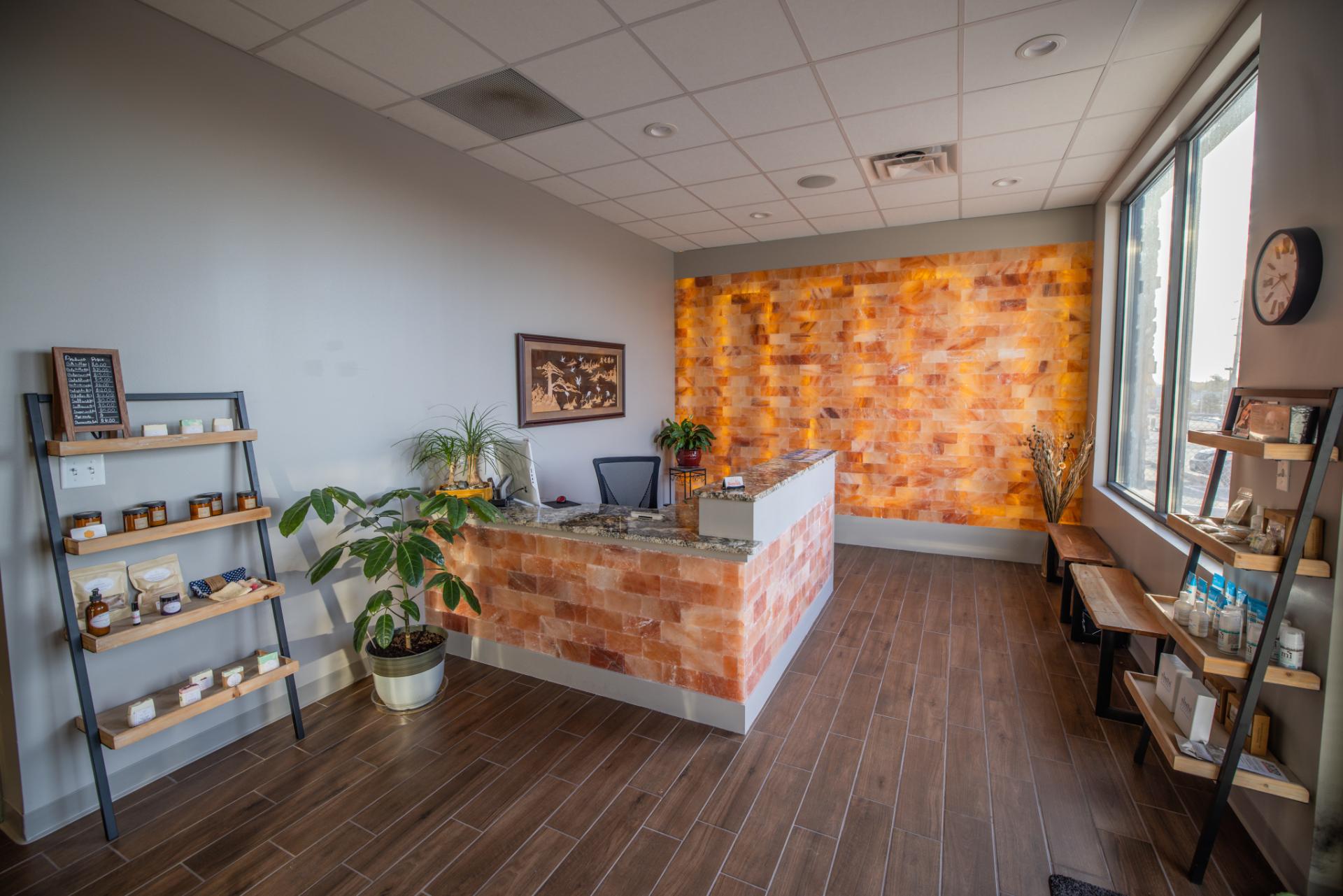
Sunrise Salt Cave - Ballwin, MO
After a fire required the building to be fully gutted, Eagan Building Group helped Sunrise Salt Cave reimagine their space. The project transformed the former spa and massage business into a renewed wellness destination featuring salt halotherapy and massage treatments, with standout design elements including illuminated Himalayan salt brick panels, an LED bubble wall, and a complete interior and exterior renovation.
Clearent, LLC - Creve Coeur, MO
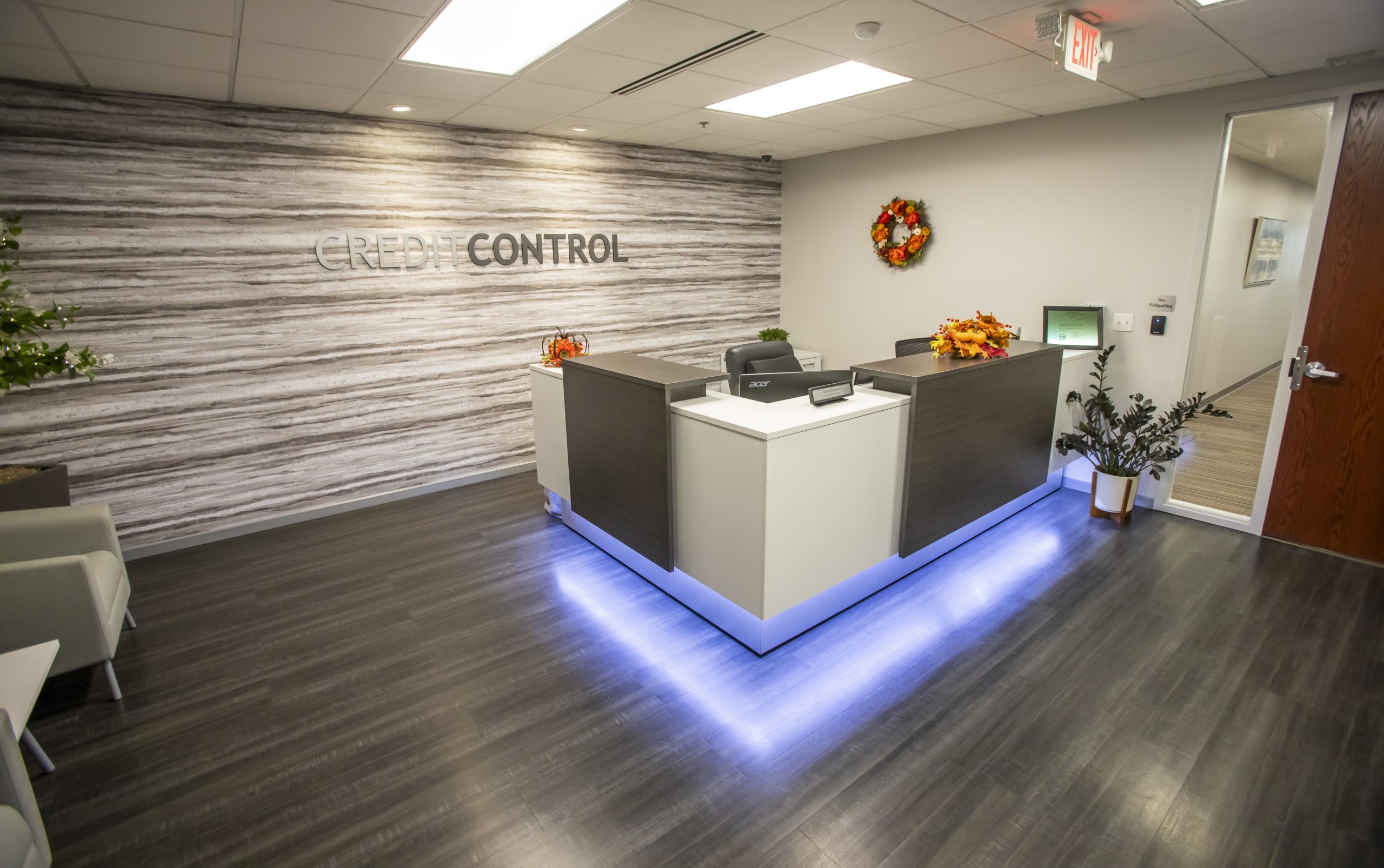
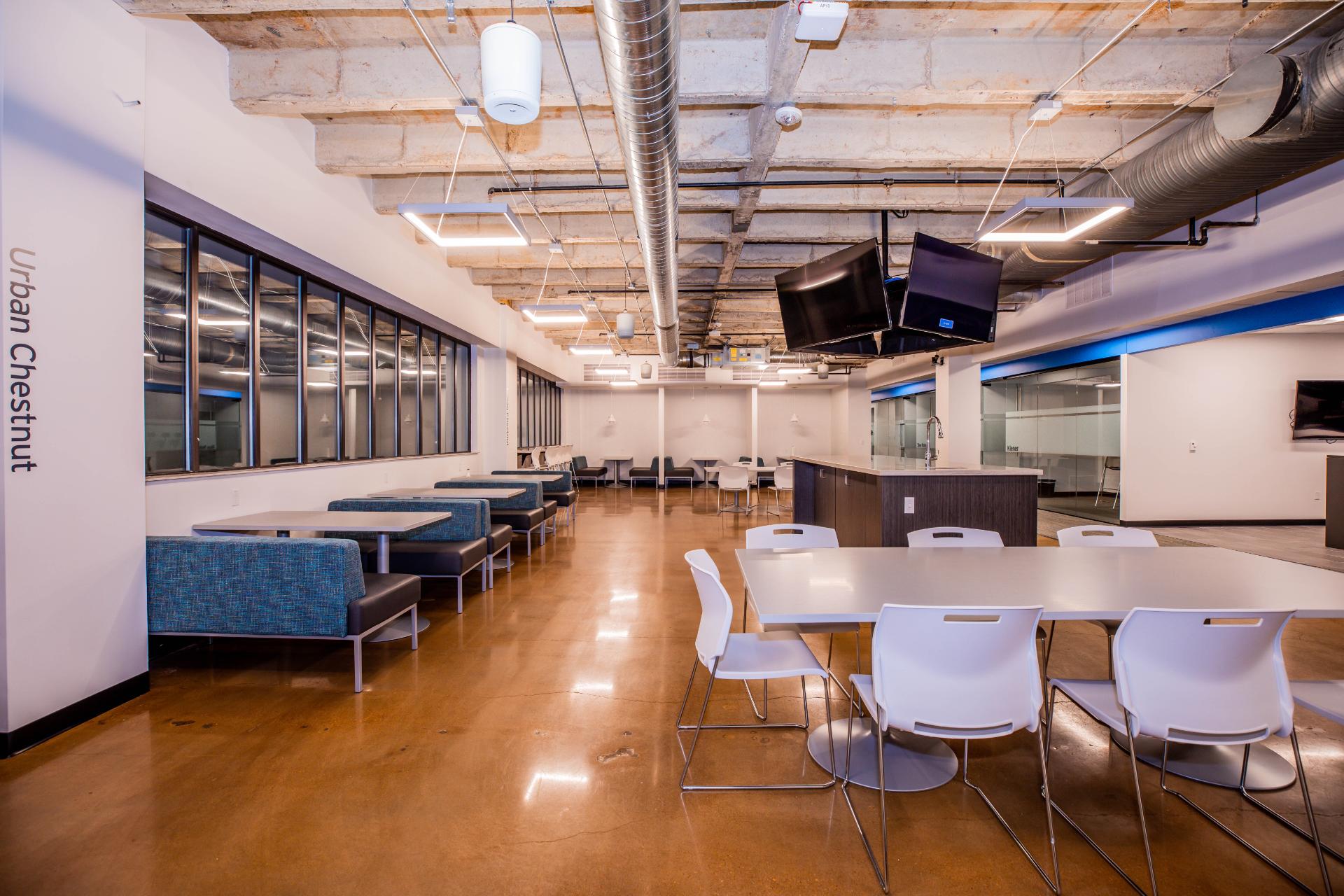
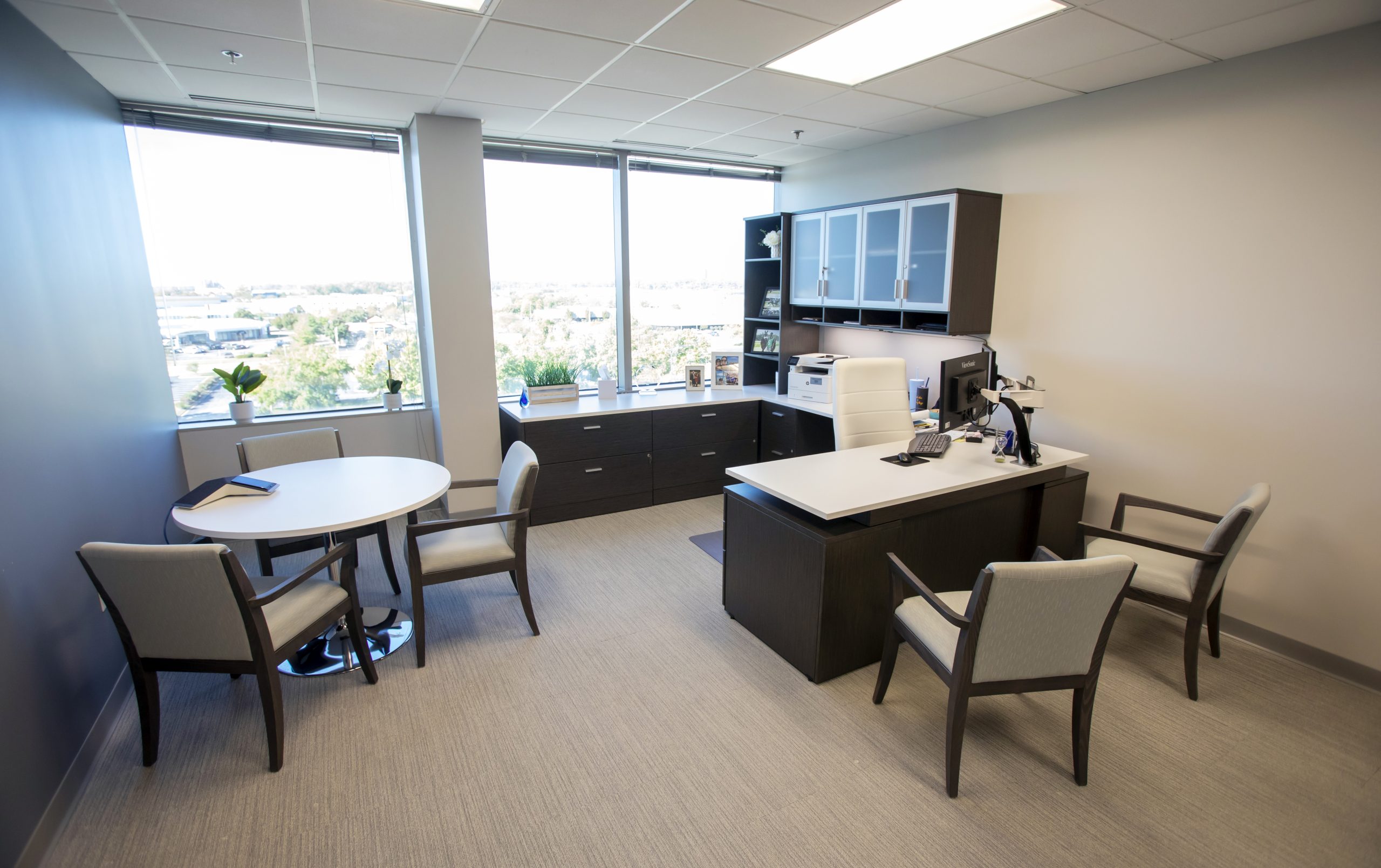
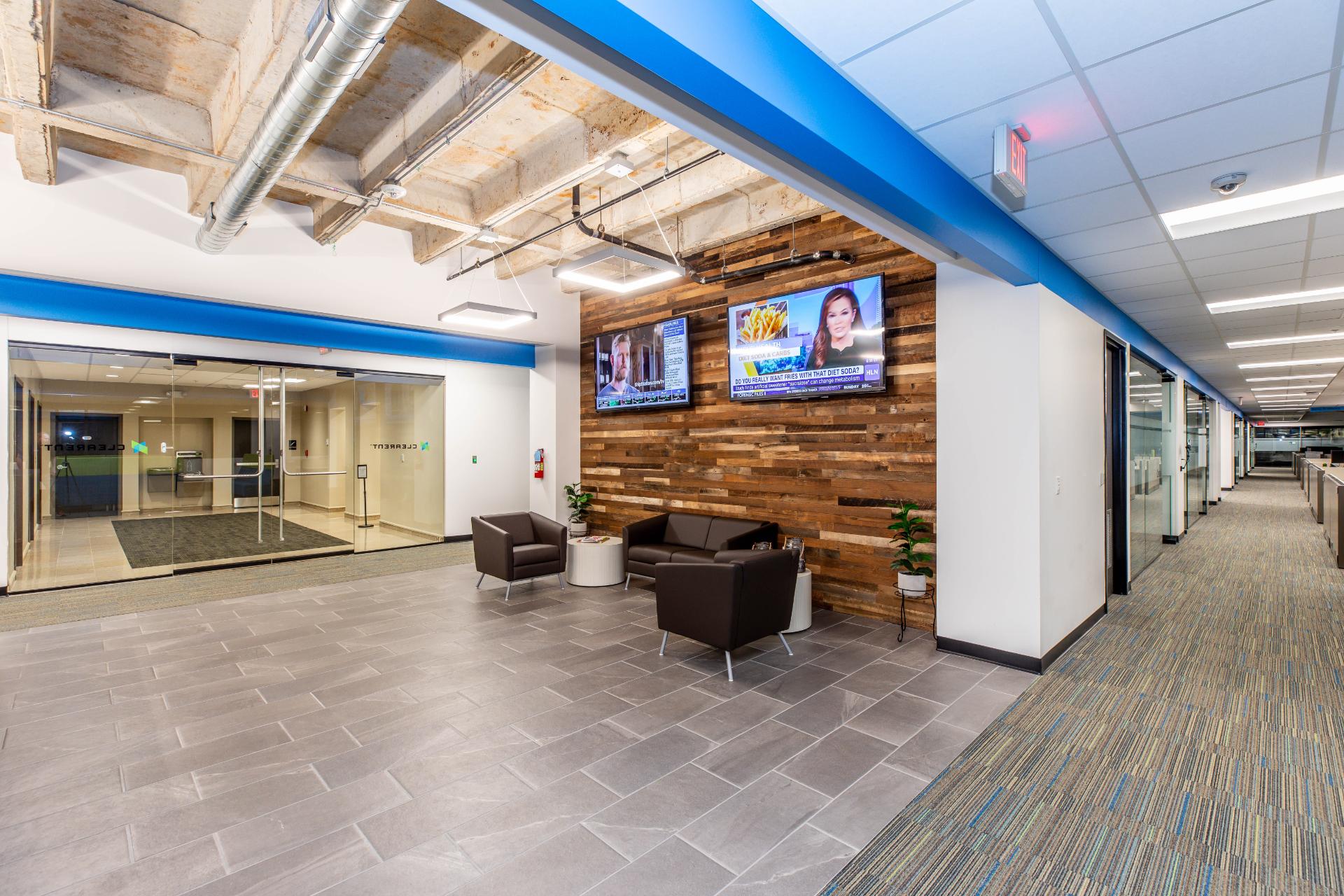
Eagan Building Group completed a 28,000 square foot interior renovation of the Clearent, LLC Headquarters in St. Louis. Renovations included conference rooms, break rooms, game room, lobby, offices, open seating areas, and storage rooms.
How the Renovation Process Works
Renovation work needs more than a standard construction sequence. It needs a process that accounts for existing conditions, operational constraints, phasing, and turnover.
1. Due Diligence
Vet requirements, hazardous material testing, MEP system survey, and site improvements.
6. Contract & Pricing
Lump sum price finalization and execution of the construction contract.
2. Design Development
Define code requirements, create concept plans, and architectural budgeting.
7. Procurement
Strategic long lead procurement for critical materials and equipment.
3. Budgeting
Detailed budgeting to within +/- 10% for comprehensive scope verification.
8. Permitting
Securing necessary permits and site mobilization to begin work.
4. Budget Review
Thorough budget review and precise scope alignment with stakeholders.
9. Construction Phase
Active construction, management and execution of the renovation plan.
5. Final Detailing
Completion of final construction drawings and technical specifications.
10. Closeout
Final punch list, inspections, documentation, and project handover.
Start with a Planning Conversation
If you’re planning a renovation in an office, operations space, or commercial facility, start with a conversation about structured preconstruction planning to align scope, budget, and timeline before construction begins.